A year ago, I read that Johnson & Johnson hired nearly 6,000 data scientists in recent years. Now I've come across this fascinating lecture by Alexandre Cançado Cardoso, J&J Data Science Lead, about their innovative applications of data science in healthcare.
Some highlights:
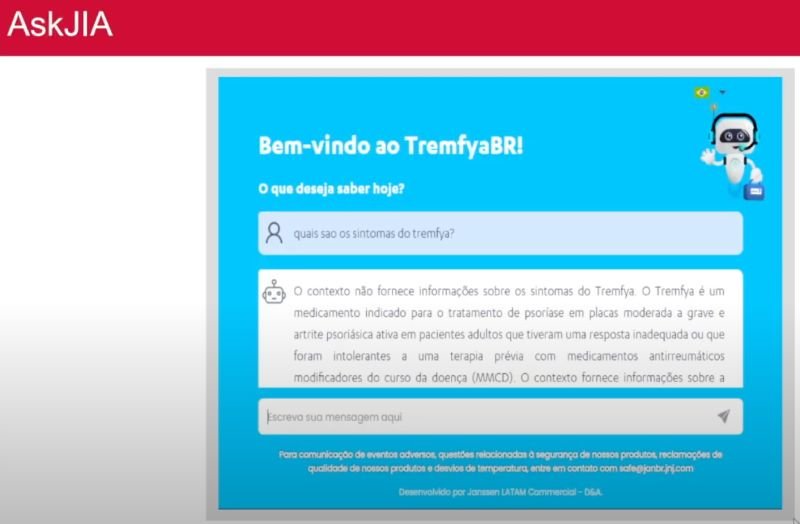
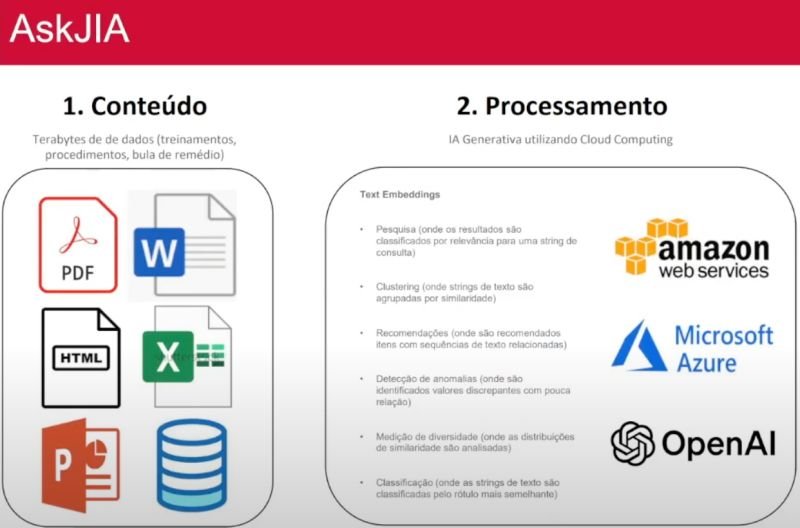
AskJIA: One of the earliest vector-based Retrieval-Augmented Generation implementations, this OpenAI/GPT-based chatbot answers questions for sales representatives.
Predictive Insights from Patient Support Call Centers: By transcribing calls (even periods of silence) and summarizing interactions, they built predictive models to: assess the likelihood of patients abandoning treatment, optimize call times learning from failed attempts, detect anomalies in call center operations.
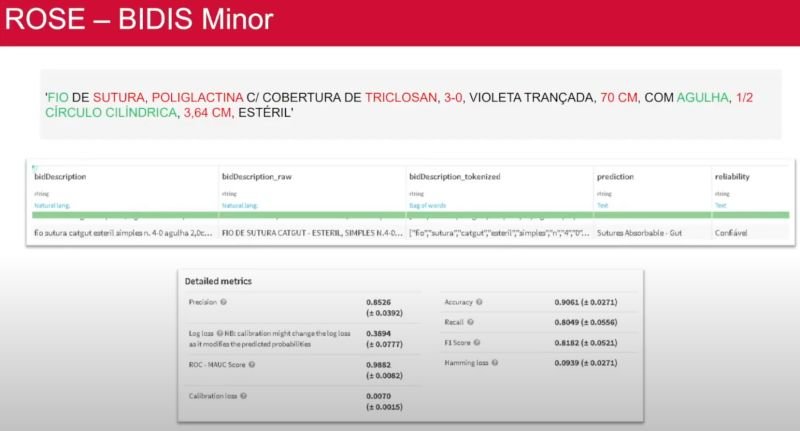
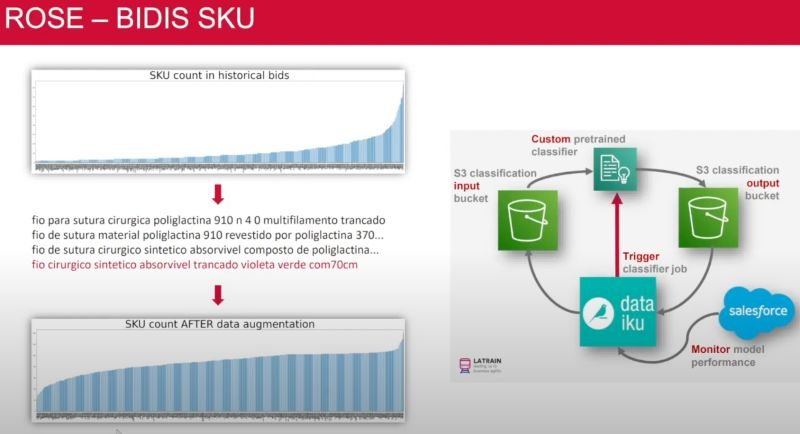
Rose BIDIS: This initiative uses LightGBM/XGBoost and Count Vectors to align Request for Quote (RFQ) requirements with J&J's product catalog in 2 phases:
first, match RFQ text to product families, then identify specific SKUs by enriching data with standardized terminology from product descriptions.
Tools leveraged include Amazon Comprehend for NLP and Dataiku for machine learning workflows, integrated with Salesforce.
PDP AimRight: It makes predictions using time-series models to determine how many prosthesis kits and components will be needed at each stocking point on the continent within 6-12 months and the optimal times and durations for moving inventory between points, balancing stock levels using Operations Research algorithms.
Inventory Studio: This initiative looks at optimizing each step of the process and the entire production chain holistically to achieve savings in manufacturing, transportation, and storage with improved sustainability as a goal.
Next Best Action - Best Content: This implementation analyzed historical data to correlate the presentation of scientific articles to doctors with outcomes like prescriptions and successful treatments.
They used LightGBM as a classifier, and faced challenges like data scarcity and imbalance.
The data initially answered "What is the impact of showing specific content?" but the broader question was "What content should we show?". They implemented a genetic algorithm simulation to test different selections of articles and identify the best ones for driving prescriptions.
A Deep Symbolic Optimization (DSO) algorithm was run in parallel to improve interpretability and validate.
Other initiatives were deployed to identify best channels for engaging doctors (virtual/in-person) and best times to avoid redundant visits.
Detecting Retinitis Pigmentosa (RP): their data science team is developing a highly sensitive algorithm to detect the probability of this disease from retinal images. RP is extremely rare, so the algorithm first identifies unhealthy eye images and then narrows down potential cases for RP.
🔗 Check out Alexandre’s talk here:
https://lnkd.in/gV8ms6eN